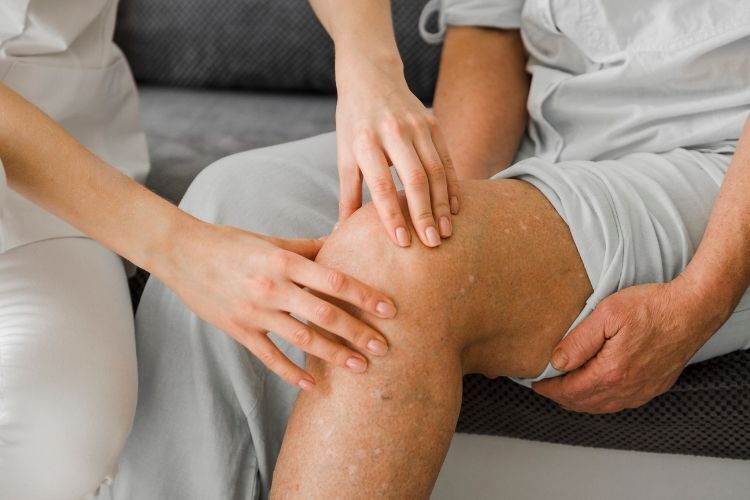
ACL rehab is a long road, and most of it happens after you leave the surgeon’s office. The operation takes a couple of hours. Getting your knee strong and moving well again can take the better part of a year, and many people in Castlegar and the West Kootenay find that other areas start to complain along the way. A sore hip or a tight low back is common, and so is a knee that stays swollen longer than expected.
Chiropractic care can fit into ACL surgery recovery as one piece of a team approach. At Head 2 Toe Holistic Health Clinic, our chiropractors support the joints and tissues around the knee while you rebuild.
What Happens to Your Body During ACL Surgery Recovery
The anterior cruciate ligament (ACL) stops your shinbone from sliding forward under your thighbone and steadies the knee when you pivot. When it tears, surgeons often rebuild it with a graft taken from another tendon. The American Academy of Orthopaedic Surgeons outlines the surgical options, and full recovery commonly runs six months to a year or more, depending on your surgeon’s protocol and your sport. The Mayo Clinic notes that ACL injuries often happen in sports with sudden stops and changes of direction, such as soccer, basketball, and downhill skiing.
Swelling, Stiffness, and a Quiet Quadriceps
After surgery the knee swells and stiffens, and the quadriceps at the front of your thigh often switches off, which makes walking feel awkward. Bringing the swelling down and getting the knee fully straight are the early priorities, and they set up everything that comes later in ACL rehab.
How the Hip and Low Back Compensate
To protect the knee, your body reorganizes how you move. You might shift weight onto the other leg, hike the hip on the surgical side, or brace through the low back. Those habits make sense in the moment. Left alone for weeks, they can leave you with a sore hip or back long after the graft itself is doing fine.
Where Chiropractic Care Fits Into Post-Surgical ACL Rehab
Chiropractic care does not repair the graft, and it does not replace the protocol your surgeon sets. Research on chiropractic care for ACL recovery specifically is limited, and the strongest evidence in ACL rehab is for progressive, supervised strengthening. What chiropractic care offers is hands-on support for the joints and soft tissues around that work.
What a Chiropractor Can Support
Our pre and post-surgical rehab with a chiropractor focuses on reducing swelling, releasing scar tissue, and easing associated nerve pain, with the goal of improving range of motion and decreasing pain. Our chiropractors have experience treating orthopedic surgeries of the knee, ankle, and foot, as well as the hip, leg, and spine. In practice, chiropractic adjustments to the hip, pelvis, ankle, and lower back can help restore normal movement in the joints that pick up extra load while the knee is protected.
What Stays With Your Surgeon and Physiotherapist
Your surgeon decides your timeline, activity limits, and brace use. Your physiotherapist usually leads the strengthening and movement training. A good Castlegar chiropractor works alongside both, which keeps everyone working from the same plan. Our broader chiropractic care in Castlegar is built around the musculoskeletal system and nerves, so questions about the rest of your body belong in the same conversation.
ACL Rehab Protocol: What Each Phase Looks Like
Every surgeon’s ACL rehab protocol differs a little, and graft type and other injuries change the timeline. Most ACL reconstruction rehab protocols still follow the same broad order, so it helps to know the shape of the road ahead.
Early Phase: Calming the Knee Down
In the first weeks, the goals are controlling swelling, regaining full extension, and waking up the quadriceps. Chiropractic visits at this stage stay gentle and short. Early on, many people are still on crutches or a brace, so the focus is comfort and keeping the neighbouring joints from stiffening up.
Strengthening Phase: ACL Rehab Exercises Take Over
As the knee settles, ACL rehab exercises ramp up. Stationary cycling, squats, balance work, and walking without a limp all get harder. A stiff ankle, for example, can limit how deep you squat and push extra load into the knee. Chiropractic adjustments and soft-tissue work aim to clear roadblocks like that so the strengthening your physiotherapist prescribes can do its job.
Return-to-Sport Phase: Running, Cutting, and Jumping
Running, cutting, and jumping come back last, guided by your surgeon’s and physiotherapist’s testing. If you’re heading back to a sport, a sports chiropractor can help keep your joints moving well while the load builds and catch small aches before they grow. Learn how our sports injury chiropractor care approaches that stage.
Beyond the Knee: Massage Therapy and Foot Mechanics in ACL Surgery Recovery
Muscle tension builds in the hip flexors, hamstrings, and calf when you favour one leg for weeks. Our registered massage therapists work with sore, guarded muscles, and many patients pair massage with chiropractic visits during rehab. The foot is also where load starts its trip up to the knee, so if you suspect flat feet or an uneven stride, ask your surgeon whether custom orthotics fit your plan.
Booking a Chiropractor in Castlegar for Post-Surgical Rehab
What to Bring to Your First Visit
Get clearance from your surgeon before starting hands-on care, especially in the early weeks. Bring your operative report, your rehab protocol, and a list of current symptoms. The initial post-surgical rehab visit with Dr. Sandy Battista is 45 minutes, and follow-up visits run 25 minutes.
When to Call Your Surgeon First
Call your surgeon or seek urgent care promptly for calf pain or swelling, a fever, or an incision that looks red, hot, or draining. These can signal a blood clot or infection and need medical attention before any rehab visit.
Start ACL Rehab With a Castlegar Chiropractor
If you’re preparing for surgery or already months into recovery, book a post-surgical rehab visit with Dr. Sandy Battista at Head 2 Toe Holistic Health Clinic. We’ll build from your protocol and keep the plan lined up with the rest of your care team.